
How Long Does SEO Take in Canada?

David Nguyen
David Nguyen
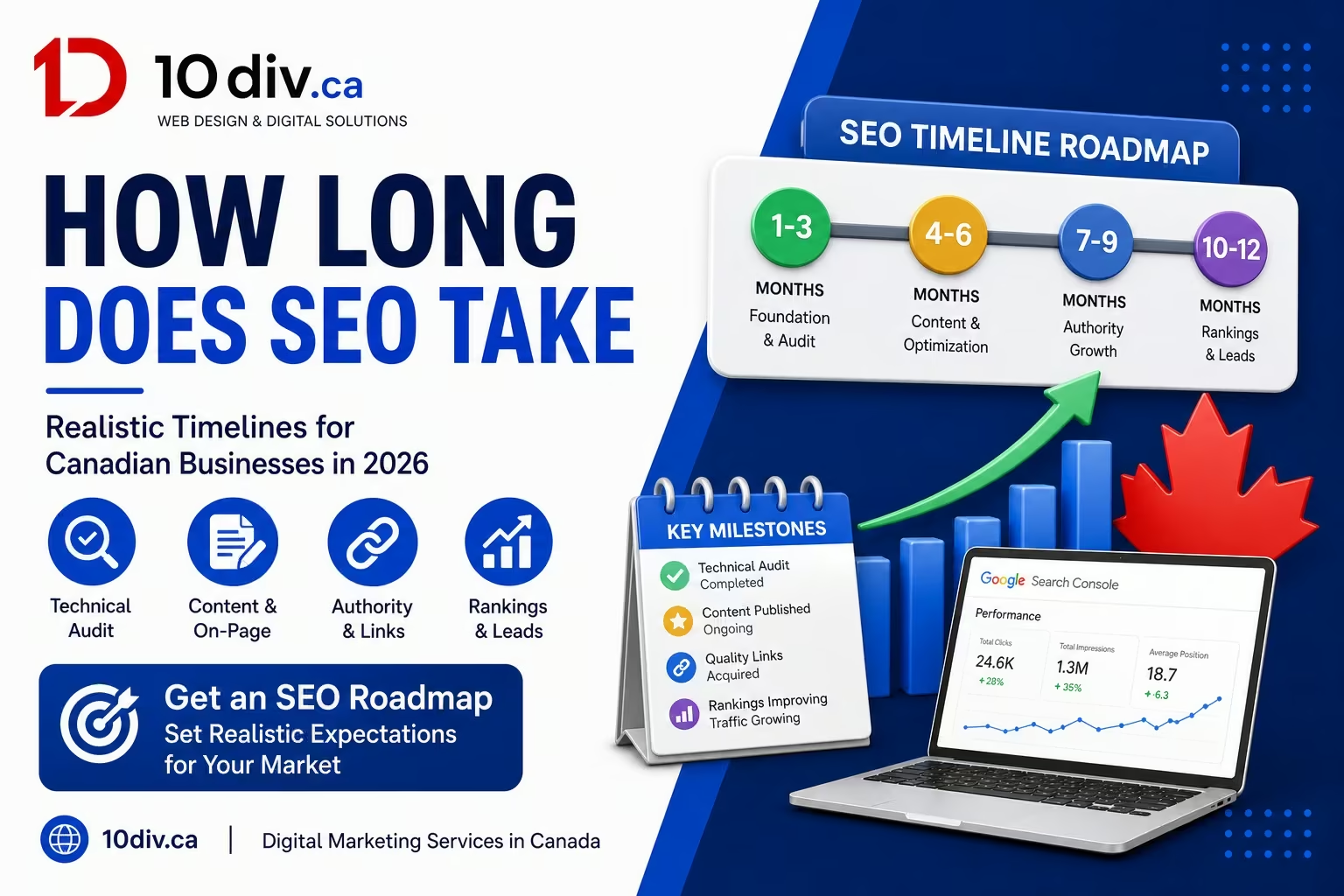
Sales calls promise page-one rankings in 30 days; experienced practitioners know better. SEO timelines depend on your starting point, competition, site health, and whether you target a single city or the whole country. Canadian markets add nuance — bilingual content, regional SERP features, and industries dominated by US giants. This article sets honest expectations for local and national SEO, month by month, and what you can do to shorten the wait without cutting corners.
Search engines need to crawl, evaluate, and trust changes. New domains lack history. Toxic backlink profiles need cleanup. Thin service pages need substance. Technical debt — duplicate URLs, slow templates — caps how far content alone can go. SEO compounds: month three builds on month two.
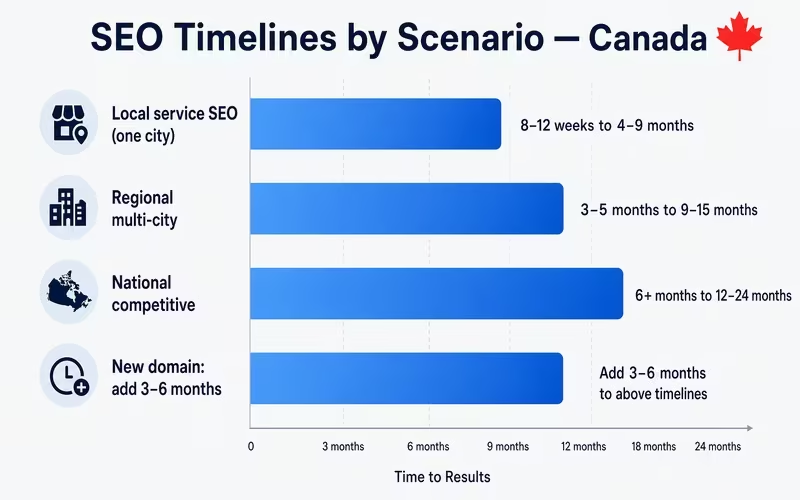
| Scenario | First noticeable movement | Stronger results |
|---|---|---|
| Local service SEO (one city) | 8–12 weeks | 4–9 months |
| Regional multi-city | 3–5 months | 9–15 months |
| National competitive | 6+ months | 12–24 months |
| New domain | Add 3–6 months | Patience plus authority building |
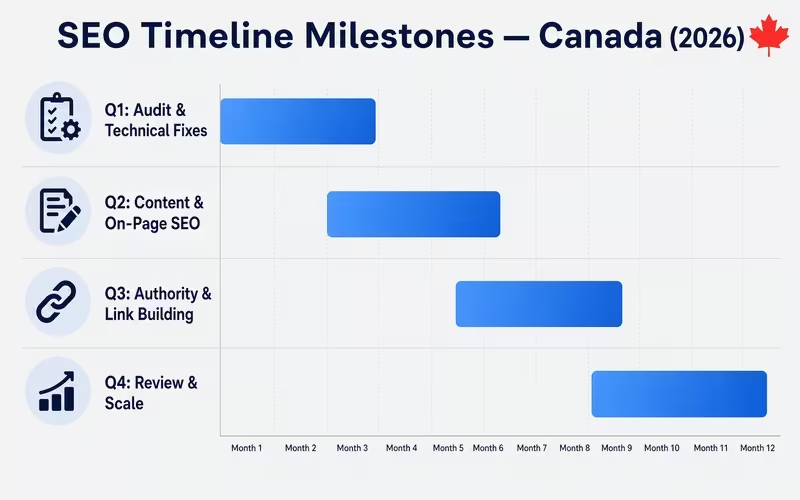
Months 1–2: audit, tracking, quick technical wins, keyword map, Google Business Profile alignment. Months 3–4: content production, on-page optimization, internal linking, local citations. Months 5–6: authority building, refinement from Search Console data, CRO on landing pages. Beyond: scale what ranks, prune what does not, expand topical coverage.
Cheap content mills, keyword stuffing, ignored technical errors, and inconsistent NAP hurt. Changing agencies monthly prevents strategy from maturing. Pausing content because ‘SEO is not working yet’ at week six guarantees slow results.
Track leading indicators — indexed pages, impressions, average position on target clusters, calls from organic — not only revenue on day 45. Compare year-over-year if seasonality is strong in trades and tourism. Align SEO KPIs with business season so February panic does not kill a sound plan.
Report impression growth and non-brand clicks early even if rankings wobble. Share completed deliverables — audits fixed, pages published, citations cleaned — so stakeholders see work, not only charts. Compare organic leads year-over-year to control for seasonality in Canadian trades.
When replatforming mid-SEO program, reset expectations briefly and protect redirects. A migration during month four explains temporary dips without abandoning strategy.
Pair SEO timelines with content calendar realism — one post a quarter will not outpace competitors publishing monthly with intent. Quality beats quantity, but silence loses.
Canadian buyers compare you to competitors on mobile during evenings and weekends — performance, clarity, and trust signals on your site directly affect whether they call Monday morning. Treat web and marketing investments as revenue infrastructure, not one-off expenses. Measure leads, set realistic timelines, and iterate with your agency partner quarterly so scope stays aligned with business results across provinces and languages.
Minor wins maybe; durable rankings rarely.
Usually yes — fewer competitors in map pack.
Helpful when posts target real queries and support service pages.
Investigate technical issues first — do not abandon strategy on one fluctuation.
Get a realistic timeline based on your website audit and competitive landscape. We map the phases, costs, and KPIs needed for sustainable SEO growth in Canada.





10Div Team
Google AI Overviews are changing how Canadians find answers — and…
10Div Team
If you run a business in Canada and send promotional emails,…
10Div Team
Serving Canada often means serving two official languages — not just…