
Local SEO in Canada: A Practical Guide for Service Businesses

David Nguyen
David Nguyen
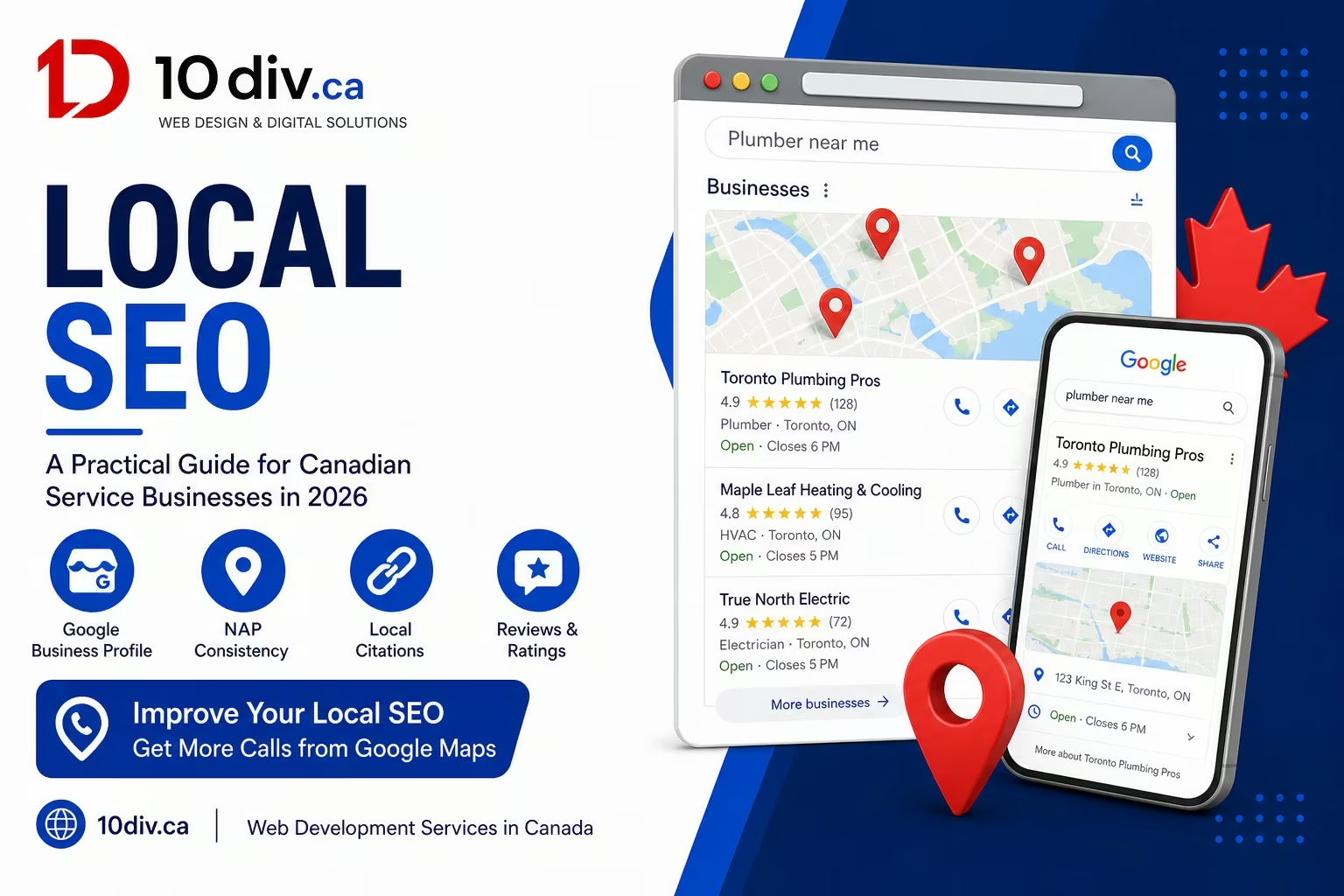
If your customers search ‘plumber near me’ or ‘accountant London Ontario’, local SEO decides whether you show up in the map pack, in localized organic results, or not at all. National SEO playbooks miss the details that matter here: consistent NAP across directories, province-aware service pages, review velocity, and a Google Business Profile that is actually maintained. This guide is for Canadian contractors, clinics, lawyers, and retailers with physical locations or defined service areas who want more calls without doubling ad spend.
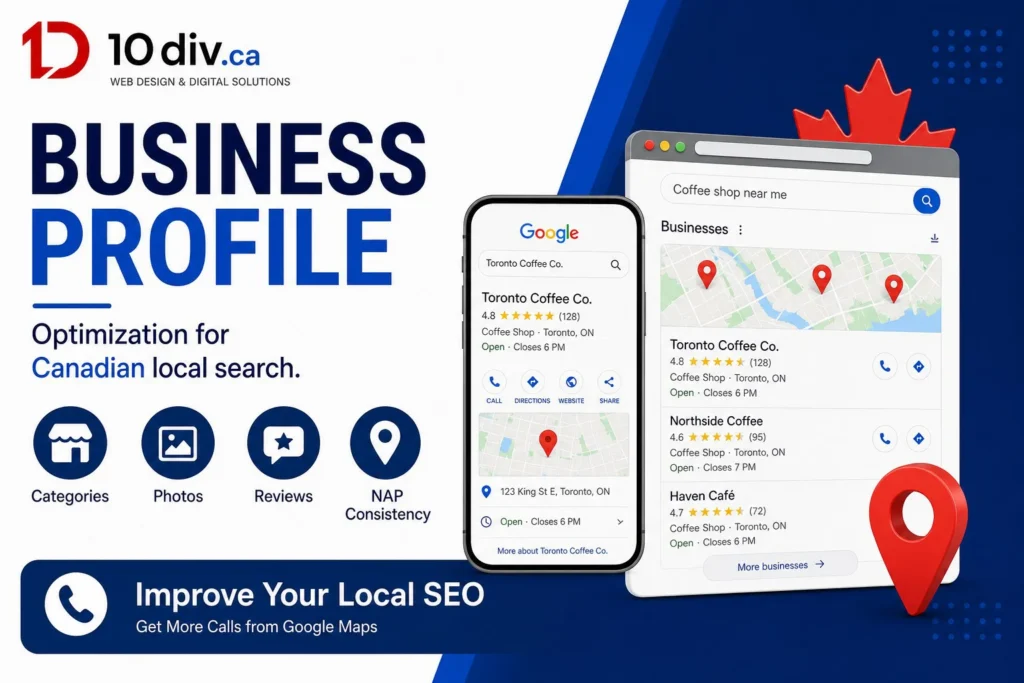
Claim and verify every location. Choose primary categories carefully — they influence which queries you qualify for. Keep hours accurate through holidays (Canadian statutory days vary by province). Add services, products, and photos on a schedule; stale profiles look abandoned and convert poorly.
Use Google posts for timely offers but do not treat them as a blog substitute. Respond to reviews in a professional tone; unanswered negative reviews hurt trust in tight local markets from Kelowna to Halifax.
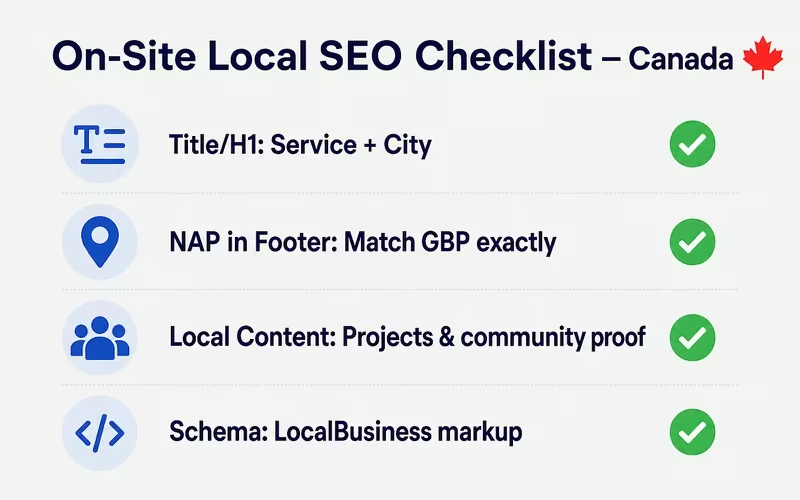
| Element | What to do | Why it matters |
|---|---|---|
| Title/H1 | Service + city or region | Clarifies relevance for localized queries |
| NAP in footer | Match GBP exactly | Consistency across web and maps |
| Local content | Projects, staff, community | Proof you operate in that market |
| Schema | LocalBusiness where appropriate | Helps search engines parse location data |
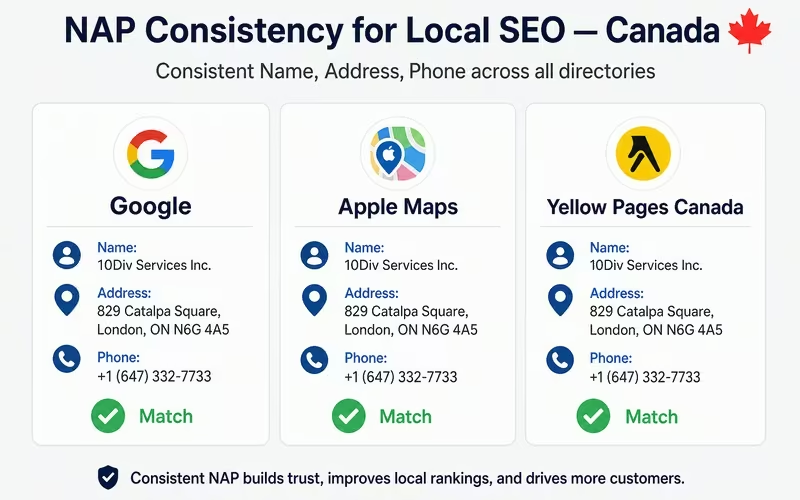
List core directories: Apple Maps, Bing Places, Yellow Pages Canada, industry-specific sites. Duplicated or typo addresses confuse algorithms and customers. Decide on one formatting for suite numbers and postal codes — A1A 1A1 style — and stick to it everywhere.
Build useful location pages, not 50 copy-paste spam doors. Each page should describe how you serve that area, show relevant work, and answer local questions. Link them from a logical ‘Areas we serve’ hub. If you only serve within 40 km of London, say so — it sets expectations and reduces junk leads.
Ask happy customers for reviews with a direct link; never gate reviews or offer incentives that violate platform policies. Follow CASL if you email review requests — consent matters. Spread requests over time; sudden spikes can look unnatural.
Track calls from GBP insights, UTM-tagged website buttons, and form fills on location pages. Compare branded vs non-branded local queries in Search Console. If map rankings improve but revenue does not, look at answer rates and booking friction before blaming SEO.
Search your money keywords in an incognito window from your target city using a VPN or local search tools — map pack order shifts by neighbourhood. Note which competitors show photos, posts, and service attributes you lack. Copy tactics, not spam — fake addresses still risk suspension.
Align GBP categories with website service pages and schema. Mismatches confuse Google and customers. If you add a new service line — EV charger install, for example — update categories only when it truly becomes a core offering.
Local link building still matters: sponsor community events, partner with complementary businesses, and earn mentions from local media. A .ca domain is not required for local rankings, but Canadian hosting and clear location signals help.
Canadian buyers compare you to competitors on mobile during evenings and weekends — performance, clarity, and trust signals on your site directly affect whether they call Monday morning. Treat web and marketing investments as revenue infrastructure, not one-off expenses. Measure leads, set realistic timelines, and iterate with your agency partner quarterly so scope stays aligned with business results across provinces and languages.
Map pack movement can happen in 4–12 weeks with a solid profile and site; competitive cities take longer.
Usually no — structured location pages on one domain work better for most SMBs.
Use service area settings in GBP and clear copy about where you travel.
If you serve Quebec or bilingual markets, yes — with proper hreflang and unique copy.
Want more map pack visibility in your city? We align your Google Business Profile, website, and citations with a measurable local SEO strategy.



10Div Team
Google Business Profile optimization is still one of the highest-leverage local…
10Div Team
Google AI Overviews are changing how Canadians find answers — and…
10Div Team
If you run a business in Canada and send promotional emails,…